

Werewolves
Nobody is quite sure of the origin of Lycanthropy…
…though references exist in some of humanity’s oldest surviving texts; whether the Lycaon of Gilgamesh or the pelt-wearing Norsemen of Volsung. What is widely accepted is that werewolves and humans have existed side-by-side for millennia, with each culture and region having its own mythos passed down through the generations – though none have been known to be definitively proven or disproven.
To some, lycanthropy is a curse, to others an infection, while many believe it a boon or blessing. What modern werewolves understand is the condition is most often inherited, carried through bloodlines, though it may also be inflicted through a bite, transforming the human flesh into the beast beneath.
Culture
By virtue of their nature, Werewolves feel a keen affinity to the natural world, remaining fiercely protective of what is perceived as their territory; in this affinity, they are aligned with many other species in their connection to nature, including the Cinnidh, Fae, and Witches, giving them an edge in tracking and traversing the rough terrain of Colorado’s wilderness; although this can lead them into conflict with the aforementioned species, where territorial rights become disputed.
Werewolves typically adhere to a strong moral code, feeling a deep obligation to maintain order and the natural flow of existence. This commitment is often reflected in their career choices. Many Werewolves gravitate toward professions that uphold these values, such as law enforcement, government roles focused on legislation, or the medical field.
Packs
Many Werewolves find belonging and comfort in Packs, with many forming either ad-hoc bonds of friendship or more formalized command structures.
Packs themselves come in many forms, from loosely aligned groups to rigid structures consisting of the typical ‘Alpha’-led groups; however, these structures are fluid, and no Werewolf is born an ‘Alpha,’ as much as no human is born a leader, it is a personality trait and not genetic, with recognition and legitimacy most often granted by their fellow region’s Leaders and Elders.
Packs can exist as chapters of larger nationwide Packs, with local leadership connected to Packs elsewhere in North America and even across oceans to the Old World.
The Maor Council
The Maor Council serves as the highest governing authority over Werewolf affairs within Eclipse Ridge. Composed of three members, the Council exists to ensure balance, order, and accountability among the packs that pass through or settle within the region. They serve as guardians and enforcers of Pack Law.
At its head stands the Elder, the final arbiter of law and tradition, entrusted with guiding policy and resolving matters that threaten the stability of the territory as a whole. Supporting the Elder are two Sentries, equal in authority to one another yet subordinate to the Elder’s judgment. Together, they act as both watchkeepers and enforcers of the Council’s will. They are the anvil and hammer upon which those laws and traditions are maintained.
The Maor Council oversees all recognized packs within Eclipse Ridge. Their duties include monitoring pack movements, enforcing regional laws, mediating inter-pack disputes, and holding pack leaders accountable for actions that threaten territorial stability or violate established accords.
The Council does not govern the internal hierarchy of individual packs. Intervention occurs only when pack actions endanger the broader community, disrupt the balance of the region, or violate Council decrees.
In addition to pack oversight, the Council extends formal protection to unaligned wolves, those who choose to live without pack affiliation. Such individuals are recognized under Council law and may not be coerced, claimed, or punished for their solitude. Harm, forced recruitment, or exploitation of a packless wolf is considered a violation subject to Council judgment.
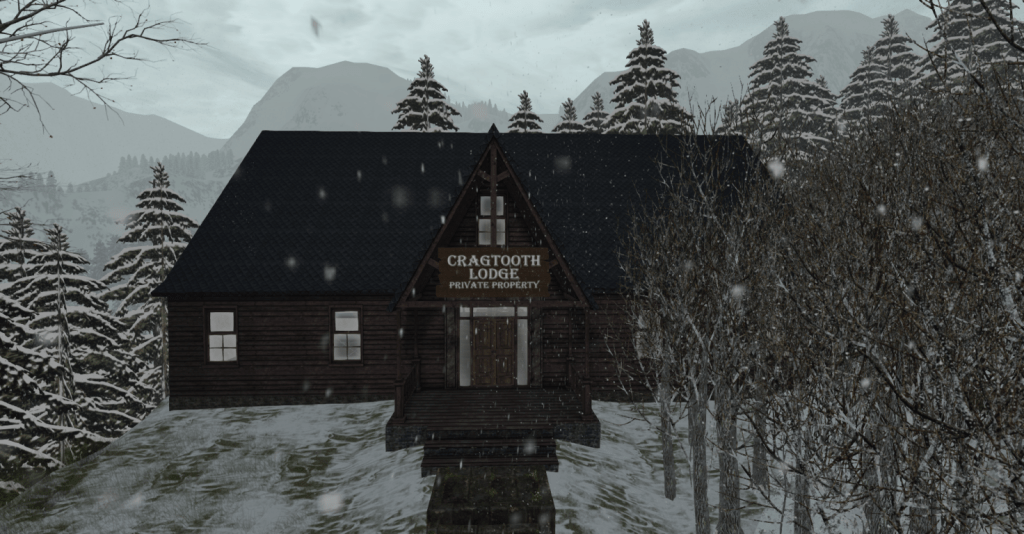
The Maor Council, and thus Werewolves as a whole, are headquartered within Cragtooth Lodge, located within the woodland of Sterling County State Park. Here, all Werewolves may find sanctuary, safety, and if needs be, asylum. While all are welcome to lodge within its grounds and hunt within its lands, the Maor Council maintains this only as a privilege, not a right; those who defile the security and protection of this sanctuary will be harshly punished.
Those seeking the protection of the Council, sanctuary within its embrace, or comfort within its walls, need only ask.
Affiliation
To gain a voice in regional politics and issues, a pack must achieve official affiliate status with The Maor Council. Individual lone wolves are permitted a vote, but only when representing themselves.
This status is granted once the pack leader arranges a meeting with a Sentry and supplies the following required information:
Please note: Individual pack titles, such as ‘leader’ or ‘second in command,’ are the only ones recognized by the Council. Leaders presented must be werewolves (born or bitten).
- Official Pack Name
- Name of Pack Leader
- Name of Second in Command
- Name of at least one regular pack member
- Pack Emblem (to be displayed in Cragtooth Lodge upon approval)
Mating
For werewolves, the term “mate” carries a profound significance beyond mere spouses. To mate with another wolf is to make an unbreakable lifelong commitment. When two wolves undergo bonding, a deep connection is formed, regardless of their personal feelings.
Once bonded, two wolves are permanently tethered in spirit and body, their lives echoing across distance, injury, and even death.
While the bond itself cannot simply be undone, it can be damaged, torn, or rendered inert, each outcome carrying lasting consequences to the wolf or wolves.
The matter grows more complex when a werewolf bonds with a being of another species.
Cross-Species Mating
A werewolf can form a bond with another species, but it is inherently asymmetrical. The werewolf experiences the full weight of the mating tether, while the non-wolf partner may only feel heightened awareness, emotional pull, and in rare cases, a partial spiritual imprint. These bonds do not grant shared transformation, nor do they fully integrate the non-wolf into pack instinct or hierarchy.
For centuries, packs debated whether such unions should be recognized at all. Traditionalists argue that mating was never meant to extend beyond the wolf, citing instability, diluted pack cohesion, and the danger of binding a wolf’s life to one who cannot truly share it – both in intensity and, more often, lifespan. Others counter that denying recognition does not prevent the bond from forming; it merely forces wolves to choose between pack and mate.
In the modern era, this debate has intensified. Some packs formally acknowledge cross-species mates, granting them limited protection or honorary status. Others refuse recognition outright, treating such bonds as personal failures rather than legitimate unions.
Please Note: We acknowledge the various beliefs surrounding wolf mating within werewolf lore. We do not enforce a single correct viewpoint. If you encounter other players with different beliefs, we encourage you to react to these ideas ICly. We host a variety of events catering to both wolf-only and mixed packs. Admin involvement will only occur if conflict disrupts the overall atmosphere of the sim.
Characteristics
Werewolves embody the conflict between human and primal instinct. They are characterized by their ability to shapeshift between human and wolf forms as well as their possession of enhanced speed, strength, and senses. Their ability brings with it heightened animalistic urges, such as territoriality, large appetites, and intense emotional responses, particularly in the realm of temper and anger.
The werewolf metabolism is extremely rapid, granting them a significantly higher body temperature, accelerated healing, and a strong resistance to common human illnesses and infections. However, the cost of such a metabolism is a hugely increased appetite, necessitating a massive increase in food intake to be sustained. An additional effect is a greatly enhanced tolerance to alcohol, drugs, and any other mood-altering substances.
As a result of their ability to heal, Werewolves enjoy a significantly slower aging process than humans, with those fortunate enough to avoid an untimely death living as long as 500 years. They maintain a youthful appearance well into their late hundreds, aging approximately one year every six years a human ages once they make their first shift at age 16. (For example, a wolf aged 180 would appear around 30 years old, although this is flexible per player discretion)
Werewolves can readily identify other Werewolves by scent alone. They can often tell if another individual is not human, although they may not be able to discern precisely which species a person belongs to. (Player consent is required to ascertain specific species)
When in human form, Werewolves maintain enhanced strength (3-5 times body weight), speed, hearing, and sense of smell, though these abilities are not as potent as when they are fully transformed.
Appearance
In their human guise, werewolves appear largely indistinguishable from other humans, yet subtle traits often betray their true nature to those who know what to look for.
Physique
Often lean, muscular, or athletic. May appear broader and denser than an average human of similar height. Those bitten not born would start to see their physique change with little to no effort, often confusing weight loss for illness.
Posture & Movement
Werewolves possess an acute, almost predatory awareness of their environment. This manifests in their precise stealth attempts and in their ready, animalistic mannerisms, such as sitting with a raw, untamed readiness rather than a trained posture.
Physical Attributes
A werewolf’s form is best understood as contained, not concealed. Subtle physical markers could manifest in human form such as thicker nails, denser bones, sharper canine teeth, or faintly coarser body hair.
Eyes may appear unusually reflective, sharp, or intense. Core temperatures run warmer than average. Their skin often feels heated to the touch especially during emotionally charged situations or as the full moon approaches.
Werewolf Forms
When the wolf is released, the werewolf’s body reshapes itself into forms built purely for dominance, survival, and slaughter.
Feral Form
This form resembles a large wild wolf or dire-like variant. They may appear larger and stronger than mundane wolves, but far leaner and faster than the warform. Built for endurance rather than brute force.
Some feral wolves bear unique markings such as unusual eye colors or scar patterns that persist across forms.
Warform
Unlike the feral form that is shaped for survival, travel, and hunting, the warform radiates raw dominance. Fear responses in prey are instinctual and immediate; even supernatural beings feel the weight of the wolf’s attention.
In warform, a werewolf typically stands twice the height of their human body, towering over mortals and many supernatural beings alike. The spine straightens into a fully bipedal stance, shoulders broaden dramatically, and limbs lengthen beyond natural proportion.
Please Note: Human to feral or warform takes a minimum of 3 posts: State intent, prep action, and post outcome. This is a common occurrence for scenes with action and transformation. Feral form to warform is a minimum of 2 posts: State change and post outcome.
Berserker Rage
In moments of extreme emotional duress a werewolf may lose their grip on restraint and fall into what is known as Berserker Rage. This state is not a choice so much as a surrender, when the beast within surges forward and claims dominion over flesh and mind alike. The use of this feat is a matter of survival, not combat, and carries with it severe penalties.
How It Works
If the werewolf is not already in their warform, Berserker Rage triggers an immediate and involuntary shift. The transformation is violent and absolute, fueled by instinct rather than intent. Allow a minimum of 2 rounds for this: one round for the trigger and one for the transformation.
Berserker Rage lasts 3 post-rounds max and can take up to 3 actions per round. Their speed, ferocity, and endurance are heightened. During this time, the beast holds control. Higher reasoning and human logic are suppressed, replaced by a singular predatory focus. The werewolf can only pursue the individual or creature that held their attention at the moment the rage was triggered, unable to reassess, retreat, or change targets until the state ends.
Should the target be eliminated or escape before the rage subsides, the werewolf’s aggression will be redirected toward anything within its proximity or line of sight, without regard for its own safety, nor that of friend or foe.
By the end of the third post, their Berserk Rage should show signs of fizzling out. The werewolf’s body can no longer sustain the strain. At the beginning of the fourth post, the werewolf should be barely coordinated, their strength utterly spent, and unable to shift their form back to human. The werewolf then collapses into a deep, unnatural sleep lasting twenty-four hours, from which they cannot be awakened by any means, magical or mundane. When they wake, they can be returned to their human state.
Upon waking, the following twenty-four hours of recovery are slow and demanding. The werewolf must consume large amounts of food and avoid any strenuous activity as their abilities gradually return to their baseline. Until this recovery period is complete, their strength and supernatural capacities remain diminished.
Impacts lasting beyond twenty-four hours are similar to athletic recovery following strenuous activity. Aches, fatigue, foul mood, and general discomfort can persist for an extended period after, at the player’s discretion.
Abilities
Heightened Senses
Enhanced smell and hearing persist at all times. Wolves may identify individuals by scent alone, notice emotional shifts through pheromones, or react to sounds beyond normal human range. They cannot detect someone’s species by smell alone.
Physical Enhancements
Werewolves possess a baseline level of physical superiority that sets them apart from ordinary humans, even when not transformed. Their musculature is denser and more efficient, granting them strength that allows them to easily overpower human opponents and contend with, if not exceed, the physical prowess of many other supernaturals. This advantage persists across their forms, manifesting as heightened resilience, balance, and agility, making them exceptionally dangerous in close combat or prolonged physical confrontations.
Speed & Endurance
Werewolves exhibit remarkable endurance and speed. They are capable of sustaining long periods of intense physical activity – running for miles, tracking prey across vast distances, and maintaining pursuit without succumbing to fatigue. Their speed surpasses that of any average human and rivals that of other supernatural beings, allowing them to keep pace with or outrun moving vehicles, dominate competitive races, and react with uncanny quickness.
Accelerated Healing
Minor cuts, bruises, and fractures heal at an unnatural pace. Old injuries may leave pale, silvery scars rather than typical human scarring. Werewolves remain just as susceptible to poisons and major wounds as humans would be; while they may heal faster, major trauma can still result in death. Equally, while faster healing means they may survive serious wounds, they may still require medical intervention to aid the healing process. Healing, like shifting, consumes a massive amount of energy and requires feeding during, or shortly after, major healing, and will leave the Werewolf lethargic and exhausted.
Vulnerabilities
Mind Control
Despite their formidable physical resilience and strong instincts, Werewolves possess an unusual vulnerability to magical mental manipulation, particularly compulsions and enchantments wielded by Witches and Vampires. Because of this, many Werewolves are naturally wary of such supernaturals.
Mental compulsion over a Werewolf is not immediate. It requires sustained effort over weeks or months, with the manipulator maintaining constant pressure. If the compulsion is interrupted or neglected, the Werewolf will eventually break free, often with violent backlash. (Note: The how, length of time, and lapse can be decided between players and what is stated in Lore. As always, make sure to seek OOC consent and collaboration).
Aware of their weakness, many werewolves seek ways to protect against and collaborate with trusted Witches, most commonly Corpus Witches, for mental protection. Any charm or spell can increase resistance to mental manipulation, but do not grant immunity.
Notes about protections:
- Potions have an expiration of one moon phase after they are created and must be taken weekly. It takes a completed moon phase and maintenance after to remain effective.
- Charms must remain on the werewolf or within 5 feet to remain effective. Once worn, takes one full week to start being effective. The charm weakens over the lunar cycle and must be recharged every full moon. If removed for a period of 24 hours or is not charged during the full moon, it will require re-attunement.
- Note on charges: Werewolves do not need to seek the witch each month for a recharge and should receive instruction on how to care for the charm to keep it effective.
Silver
Silver is poisonous to Werewolves in all its forms. Contact with the skin causes irritation and reddening, and prolonged contact causes severe chemical-like burns. Penetrating wounds, like those caused by knives or bullets, quickly become infected and take longer to heal, often negating all healing abilities and requiring the same healing time as humans. Depending on the severity of the wounds, such as those damaging vital organs, death may result.
Vampire Blood
Vampire blood is highly addictive to Werewolves since it is the one substance that mimics the high from drugs or drinking for a Werewolf. However, Vampire blood increases the risk of susceptibility to berserking. Even if a Werewolf successfully maintains control, they become paranoid and short-tempered for as long as the blood remains in their system and are susceptible to being enthralled as a Ghoul.
Moon Effects
Werewolves revere the Moon, with many belief systems and cultural events centered around our celestial neighbor. Some revere Her as a goddess, others as a powerful force of nature entwined with the fates of Werewolves. Whatever is true, what is fact is that all Werewolves are subject to the effects of the full moon.
During the New Moon, the lunar presence that normally stabilizes a werewolf’s dual nature is at its weakest. Physically, werewolves remain capable, but their mental defenses erode, leaving them dangerously exposed if they haven’t taken action to protect against it. This vulnerability may contribute to deep-seated paranoia and isolation during the new moon.
The Full Moon represents the pinnacle of a werewolf’s physical power. Strength, speed, regeneration, and feral instincts surge beyond their normal limits, making them fearsome even among other supernaturals. Werewolves may shift at any time, but during the full moon it is compulsory.
Also, the risk of Berserker Rage is significantly heightened, especially when injured, provoked, or emotionally distressed. Once triggered, this state is harder to end and more destructive than at any other time in the lunar cycle.
 Eclipse Ridge